iPhone chip upgrades versus display and storage compromises
Don't waste money on peak processor speeds alone. Discover why a fast smartphone chip is a hidden trap if it forces you to compromise on a smooth 120Hz display, a cramped storage drive, or overpriced upgrade tiers.
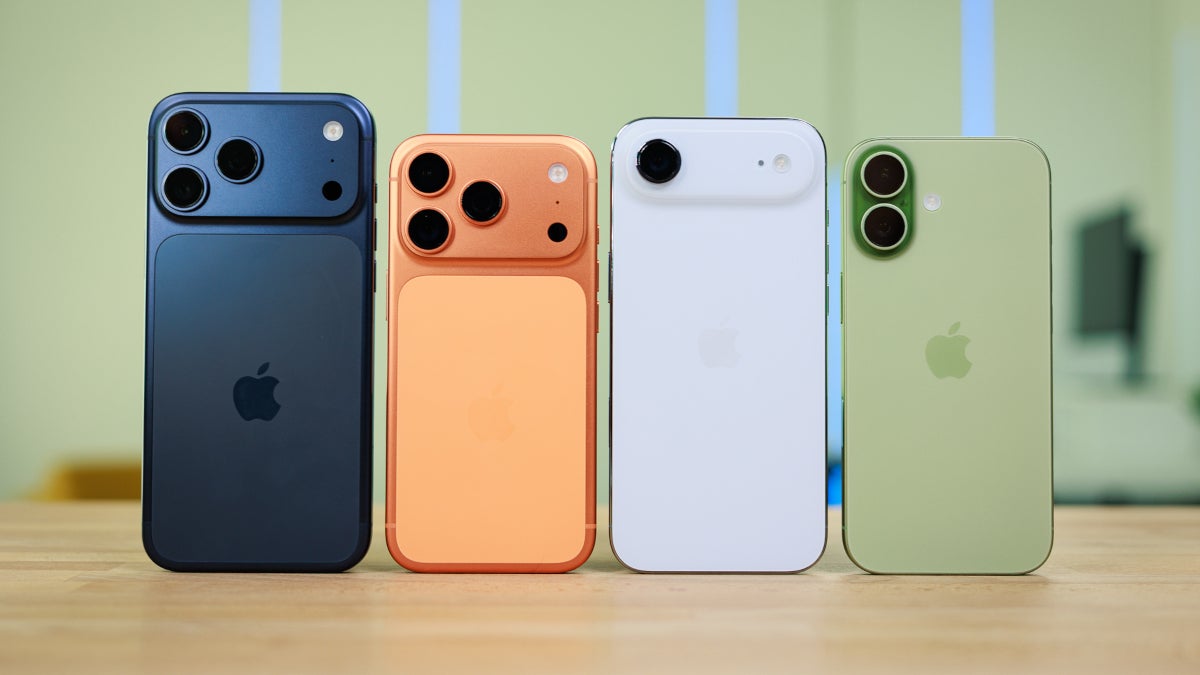
Why a Faster Phone Processor Might Be a Trap: The Real Specs That Matter
Don't get blinded by smartphone marketing buzzwords. A shiny new processor won't save your user experience if your phone is held back by a sluggish 60Hz display, a cramped storage drive, or overpriced upgrade configurations.
When shopping for a new smartphone, it is incredibly easy to fall into the marketing trap of chasing the latest silicon. Brands love to showcase their latest chips, promising blistering speeds and revolutionary performance. **However, a faster mobile processor is a marketing trap if it forces you to compromise on a smooth 120Hz display or settles for a cramped 128GB baseline storage capacity.**
Real-world smartphone longevity and daily satisfaction depend far less on raw synthetic benchmark scores and much more on the physical bottlenecks you encounter every single day. If you have to choose between a next-generation processor or better foundational specifications, choosing the latter will almost always yield a superior long-term digital experience.
The Silicon Illusion: What a Chip Upgrade Actually Delivers
Every annual processor refresh promises double-digit performance gains, but it is crucial to separate theoretical speed from human perception. Modern smartphone chips focus heavily on specific architectural enhancements:
| Component Upgrade | Real-World Benefit | The Hidden Limitation |
|---|---|---|
| Next-Gen CPU | Snappier app launches, seamless multitasking, and faster background file exports. | Year-over-year performance gains are practically unnoticeable during ordinary daily browsing. |
| Advanced GPU | High frame rates in advanced mobile gaming and fluid video timeline scrubbing. | Sustained high performance drops rapidly due to thermal throttling when the device gets warm. |
| Neural Engine | On-device AI workloads, local text/image translations, and smart photo editing tools. | Heavily constrained by available system RAM, meaning older chips with sufficient memory can outlast them. |
| Energy Efficiency | Squeezes more hours out of the battery during continuous video playback or active 5G usage. | Actual daily runtime depends heavily on physical screen brightness levels and local network signals. |
Apple's flagship 2nm A20 Pro processor pushes boundaries further with a 6-core CPU (up to 20% faster) and a 7-core GPU (up to 40% faster) paired with a 50% increase in memory bandwidth. For instance, the efficient A19 chip inside the iPhone 17 targets up to 30 hours of video playback, which is an 8-hour leap over the older iPhone 16. But unless you are editing multiple streams of 4K video directly on your phone or playing heavy ray-traced games, this peak power remains largely untapped during 95% of your routine.
The Real Daily Bottlenecks: Display and Storage
While mobile processors have outpaced the needs of the average user, display technology and storage limits remain immediate, unyielding bottlenecks.
The 60Hz vs. 120Hz Display Dilemma
The refresh rate of your screen is something you physically perceive every time your thumb touches the glass. A standard 60Hz display refreshes 60 times per second, whereas a **120Hz ProMotion display** doubles that rate, making scrolling, system animations, and UI transitions feel incredibly fluid.
A phone with a slightly older processor paired with a 120Hz screen (like the mainstream iPhone 17) will look and feel significantly faster, smoother, and more responsive in daily use than a brand-new chip trapped behind a choppy, legacy 60Hz panel.
The Hidden Cost of Storage Upgrades
Storage is the ultimate long-term trap because internal smartphone storage cannot be upgraded later. Modern operating systems take up massive real estate upfront; iOS alone consumes between 12GB to 24GB of space right out of the box for system architecture and core logs.
If you opt for a cheaper 128GB base model just to chase a newer chip, you will quickly run out of room once you factor in high-resolution 48MP photos, 4K videos, heavy application caches, and local AI on-device models.
Furthermore, manufacturers weaponize storage configurations as a highly profitable upselling mechanic. Upgrading from 256GB to 512GB on an iPhone 17 costs an extra $200, which translates to roughly $0.78 per gigabyte. Jumping from 512GB to 1TB on an iPhone 18 Pro demands a steep $400 premium. Buying the wrong initial capacity locks you into a frustrating cycle of paying for monthly cloud accounts or constantly deleting your media files.
Comprehensive Buying Matrix: Base Models vs. Flagships
| Smartphone Model | Processor Tier | Display Technology | Base Storage Capacity | Starting Retail Price |
|---|---|---|---|---|
| iPhone 16e | A18 Chip | 6.1" OLED, Restricted 60Hz | 128GB Storage Drive | $599 |
| iPhone 17e | A19 (4-core GPU) | 6.1" OLED, Restricted 60Hz | Generous 256GB Storage Drive | $599 |
| The Sweet Spot (iPhone 17) | A19 (5-core GPU) | 6.3" OLED, 120Hz ProMotion | Generous 256GB Storage Drive | $899 |
| Premium Flagship (18 Pro) | A20 Pro (7-core GPU) | 6.3" ProMotion, Always-On | Flagship 256GB Storage Drive | $1,199 |
How to Choose Your Next Device: A Practical Framework
- Prioritize a New Chip If: You are a serious mobile gamer playing advanced AAA titles, a content creator rendering local 4K video timelines on your phone, heavily utilize server-side and local AI applications, or plan to keep the same handset for 5+ years and require maximum software support longevity.
- Prioritize a 120Hz Display If: Your daily usage consists primarily of scanning social feeds, reading articles, heavy multitasking, and browsing web content where visual smoothness drastically reduces user eye strain.
- Prioritize 256GB+ Storage If: You capture high-resolution 48MP imagery, record memories in 4K Dolby Vision, download large offline media playlists for travel, and don't want to constantly offload files to external drives or cloud caches.
The Bottom Line
A smartphone is an ecosystem of parts working together. Buying a device solely based on its processor name while ignoring a low storage ceiling or an outdated 60Hz refresh rate is a recipe for user frustration.
If you are forced to make a strategic choice between saving money by picking a processor that is one generation behind versus buying a phone with a restrictive drive or a choppy screen, **always prioritize the superior display and larger storage configuration**. A slightly older processor will easily remain incredibly fast and snappy for years to come, whereas a tiny storage drive and a choppy display will negatively restrict your digital lifestyle every single day.
Related stories

Roast-Room: The AI Board of Directors for Your Hardest Business Decisions
Making critical business decisions is often a lonely and complex process. Should you raise your prices? Hire someone new or continue on your own?
Jessica Pressler · · 1 min read

PS5 Black Friday 2026: What Sony Has Confirmed, and Is a $400 Trade-In Worth It?
Sony's PlayStation Store Black Friday sale runs November 4–30, but no PS5 console discount has been announced yet. Verified prices, dates and trade-in offers.
Daniel Hartmann · · 5 min read

The Quiet Revolution of On-Device AI in This Year's Laptops
Neural processing units are now standard in premium laptops. After a month of testing, here is what on-device AI really does for you, and where it still falls short.
Marcus Chen · · 8 min read