The simple trick that keeps your kitchen drawers from smelling bad
Don't waste time scrubbing dried latex or oil-based residue. This simple, heavy-duty DIY hack saves your tray, protects your plumbing, and cuts your painting cleanup time down to exactly zero seconds
 By Jessica PresslerSenior Author
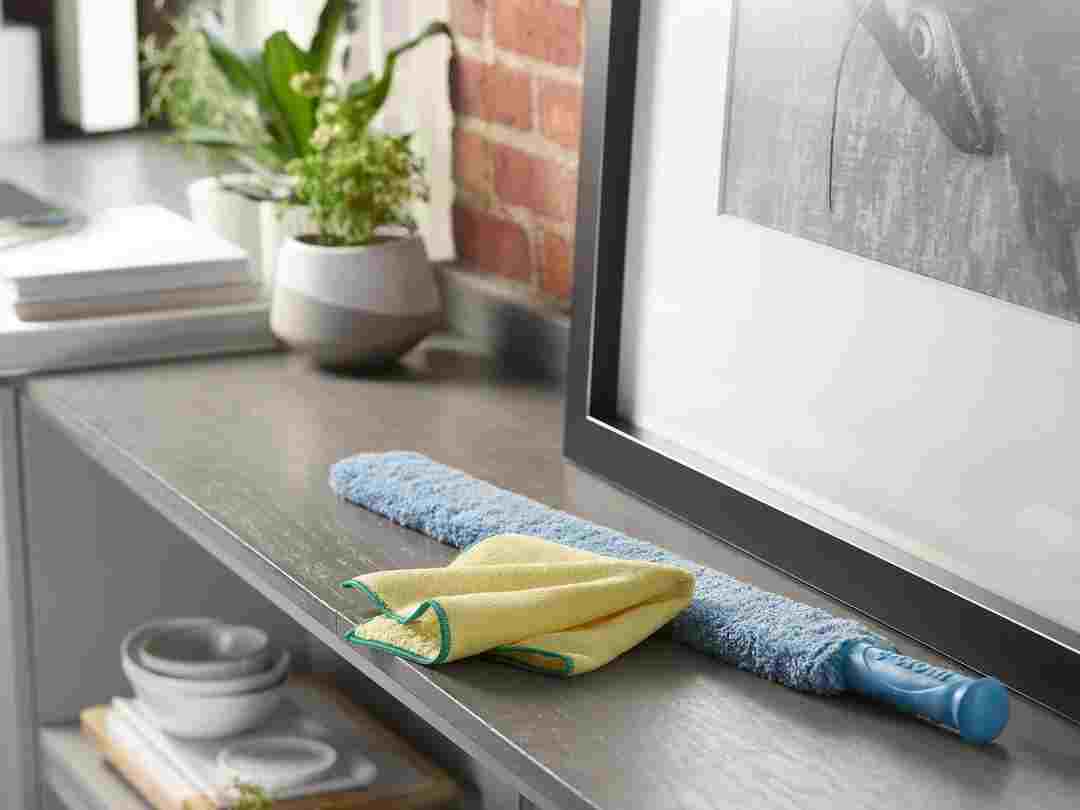
The Internet Wants You to Put Bread and Vinegar in Your Kitchen Drawers. Here’s Why You Shouldn’t (Yet).
If you’ve recently fallen down a home-cleaning rabbit hole on TikTok or Reddit, you’ve probably stumbled upon a bizarre piece of advice: put a slice of white bread soaked in vinegar inside your musty kitchen drawers overnight, and the smell will vanish.
It sounds like an old wives' tale wrapped in modern viral marketing. But before you turn your silverware compartment into a makeshift salad dressing bowl, let’s talk about what is actually happening behind those closed cabinet doors.
The Anatomy of a Viral Hack
The premise of the trick is simple enough. You place a single slice of plain white bread at the bottom of a bowl, douse it with half a cup of white distilled vinegar, and shut it inside the offending drawer for 24 hours.
The logic relies on two distinct elements:
- Acetic acid is a natural deodorizer. Unlike store-bought aerosol sprays that blanket bad odors with synthetic lavender, vinegar actually bonds with and neutralizes alkaline odor molecules in the air.
- Bread acts as an evaporation anchor. The porous matrix of bread (or a balled-up paper towel) slows down the evaporation of the liquid, keeping the air saturated with vinegar vapors long enough to penetrate the raw wood.
"The best part? It leaves no toxic chemical residue next to your forks or spice jars. The sharp, salad-like punch of the vinegar completely dissipates within an hour of opening the drawer."
The Catch: You are Treating the Symptom, Not the Disease
While the vinegar-and-bread trick works surprisingly well as a temporary deodorant, it masks a dangerous trap. Wooden kitchen drawers are highly porous. When they emit that heavy, earth-like stench, you aren't dealing with a cosmetic perfume problem—you are dealing with microbiology.
That signature musty funk is almost always caused by one of three things: stagnant moisture from an undetected sink leak, organic crumbs decomposing in dark corners, or a total lack of airflow.
If you use vinegar to mask a smell caused by a slow pipe leak behind your dishwasher, the mold will keep chewing through your cabinetry. You’ve simply turned off the alarm while the house is still on fire. Furthermore, furniture restoration experts warn that trapping acidic vapors inside antique or poorly sealed wooden drawers can permanently cloud or degrade old varnishes.
The Expert-Approved Protocol (Do This Instead)
If you want to banish the smell permanently, the sequence of your actions matters far more than the specific hack you use. According to safety and environmental guidelines from the EPA and CDC, a proper remediation follows a strict order:
- Inspect and Isolate: Empty the drawer completely. Look for dark stains, warped wood, or active water tracks. If there is a plumbing issue nearby, fix it first.
- The Dry Vacuum: Before you introduce any moisture, vacuum out every microscopic crumb from the corners. Wiping a dirty drawer with a wet cloth just creates an organic paste that feeds bacteria.
- The Physical Wash: Clean the interior surfaces with warm water and mild dish soap. Government food safety protocols (like the USDA) emphasize that sanitizing agents are useless if the surface hasn't been physically cleared of grime first.
- The 48-Hour Dry Rule: This is non-negotiable. The EPA states that wet materials must dry completely within 24 to 48 hours to prevent mold spores from taking root. Leave the drawers pulled out, open a window, or run a fan directly into the cabinet box.
- Passive Moisture Absorption: Place a small, open container of baking soda or activated charcoal in the back of the dry drawer. Unlike vinegar, these agents absorb active humidity from the air rather than adding to it.
- The Vinegar Finish: Now—and only now—if the clean, dry wood still retains a stubborn, vintage ghost of a smell, deploy the bread-and-vinegar bowl for 24 hours to neutralize the remaining odor.
Preventing the Return of the Funk
Going forward, the golden rule of moisture control is prevention. The CDC recommends keeping your indoor relative humidity below 50% to 60%. Always run your range hood or crack a window when boiling water, check under your sink once a month, and make sure your silverware is completely dry before tossing it back into the dark.
Related stories

Myth or Fact: Is the Bathroom Cabinet the Wrong Place for Your Medicines?
The FDA and the US National Library of Medicine both warn that bathroom heat and humidity can damage medicines before their expiry date. Here's where to keep them instead.
Sophie Laurent · · 4 min read

Myth or Fact: Does a Bowl of Water on the Radiator Fix Dry Winter Air?
A bowl of water on a radiator adds a little moisture, but not enough to change the humidity of a whole room. The EPA recommends keeping indoor humidity between 30 and 50 percent.
Elena Rossi · · 4 min read

Myth or Fact: Is It Fine to Wash Grease Down the Garbage Disposal With Hot Water?
Hot water and a garbage disposal don't stop grease from clogging pipes. Water utilities say fats, oils and grease should go in the bin, not down the drain.
James Okafor · · 4 min read