Your Gas Stove May Be Polluting Your Kitchen More Than You Think
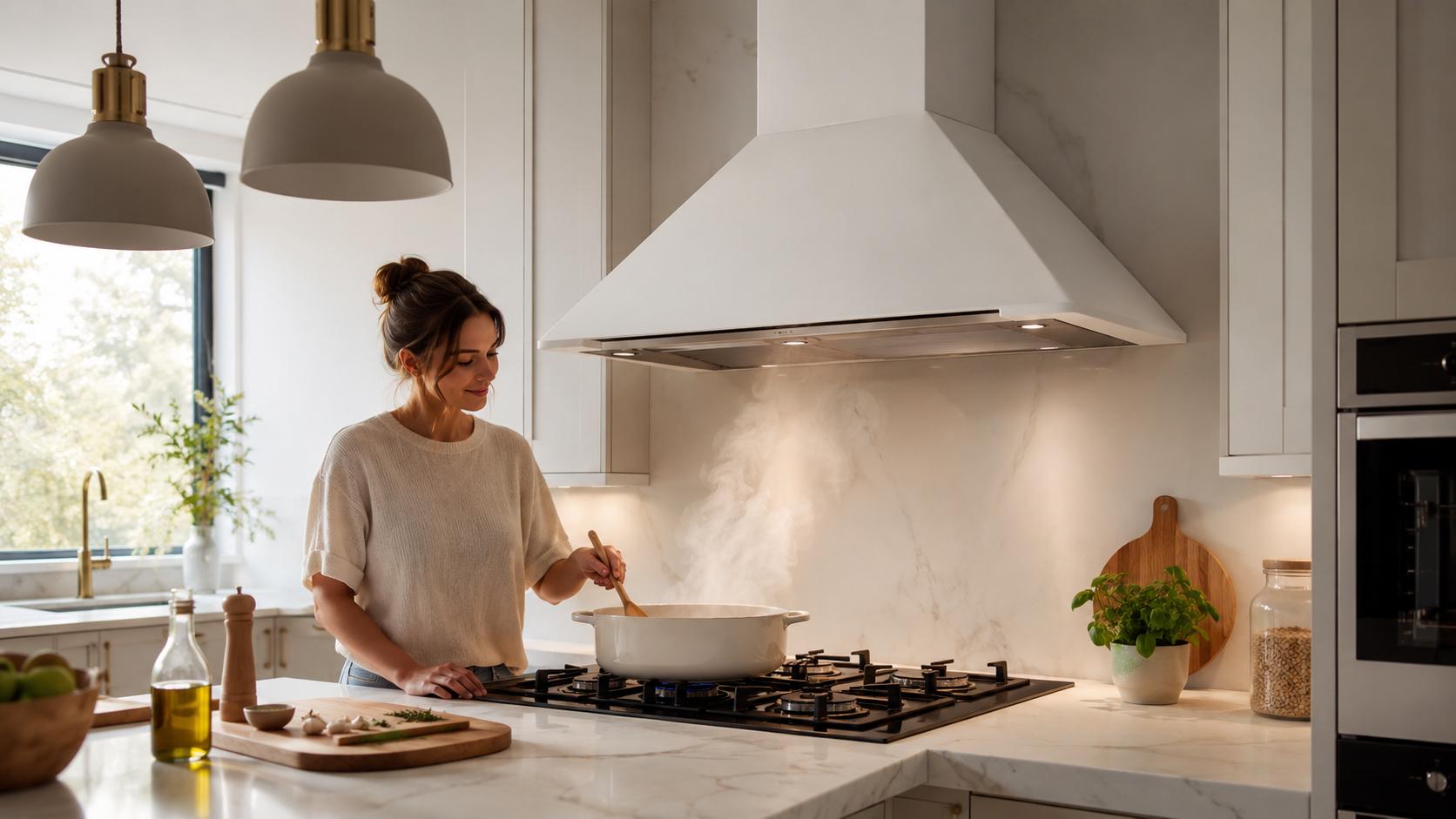
A gas stove is one of the most familiar appliances in the home. Millions of people use one every day, often without thinking twice about what happens to the air while they cook. But scientific research is raising an important question: could the appliance preparing your dinner also be adding unwanted pollutants to your kitchen?
The concern goes beyond the smell of cooking or the occasional cloud of steam. Burning natural gas or propane can release nitrogen dioxide, carbon monoxide and other combustion-related pollutants. Some studies have also detected benzene, a chemical associated with an increased risk of cancer after prolonged exposure.
That does not mean every gas stove is dangerous or that families should stop cooking immediately. It does mean that ventilation, appliance maintenance and the type of cooking equipment in a home deserve more attention.
What happens to the air when you turn on a gas stove?
When natural gas or propane burns, the process produces more than heat.
One of the main pollutants researchers have examined is nitrogen dioxide (NO2). This gas can irritate the respiratory system and affect lung function, particularly when exposure occurs repeatedly or at elevated concentrations.
Carbon monoxide is another potential concern. Properly functioning appliances generally produce relatively low levels, but faulty equipment, incomplete combustion or inadequate ventilation can create dangerous conditions.
Cooking itself also contributes to indoor pollution. Frying, grilling and heating oils at high temperatures can release fine particles, meaning that even an electric stove does not eliminate every source of cooking-related emissions.
The difference is that electric and induction cooktops avoid the pollutants produced by burning gas directly inside the kitchen.
Scientists found benzene emissions from gas stoves
One of the more concerning findings comes from a 2023 study published in Environmental Science & Technology.
Researchers investigated gas and propane stoves in 87 homes across California and Colorado. They found that burning these fuels produced detectable benzene emissions.
Benzene is classified as a human carcinogen, and long-term exposure is associated with an increased risk of certain cancers, including leukemia.
In the researchers' experiments, benzene emissions from gas and propane burners were between 10 and 25 times higher than emissions measured from electric coil and radiant cooktops.
The study also found that benzene could travel beyond the kitchen. In some homes, concentrations in bedrooms remained elevated for hours after the stove had been switched off.
Importantly, the researchers did not detect benzene emissions from induction cooktops in their tests.
These findings do not establish that every household faces the same exposure. Actual concentrations depend on the appliance, fuel, cooking habits, home layout and ventilation.
The connection between gas cooking and respiratory health
Nitrogen dioxide has attracted particular attention because of its effects on the respiratory system.
A 2024 study published in Science Advances examined exposure associated with gas and propane cooking appliances in American homes.
The researchers estimated that these appliances increased long-term nitrogen dioxide exposure by an average of approximately 4 parts per billion across the United States.
Their analysis also estimated a substantial number of childhood asthma cases potentially associated with this additional exposure.
These figures are population-level estimates, not proof that a particular child's asthma was caused by a gas stove. Nevertheless, they highlight why indoor air pollution deserves attention, especially in homes where children spend much of their time.
The risks may be more significant in smaller homes and kitchens with limited ventilation, where pollutants can accumulate more easily.
A European study raises another question: What happens when the stove is off?
The discussion is not limited to the United States.
Research published in 2026 examined the composition of consumer natural gas in seven European cities, including locations in the United Kingdom, the Netherlands and Italy.
Scientists analyzed 78 natural gas samples and investigated possible leaks in 35 homes.
The findings identified benzene in unburned natural gas, with concentrations substantially higher on average than those reported in comparable North American measurements.
Researchers also identified stove-off leaks in three of the 35 homes investigated.
This is an important distinction: the study examined unburned gas and leakage, rather than emissions produced by an operating burner. Its results should not be interpreted as evidence that every European gas stove leaks or that every home has dangerous benzene levels.
However, the findings reinforce the importance of proper installation, maintenance and attention to possible gas leaks.
Does a kitchen extractor fan actually help?
Yes, but the type of ventilation matters.
A range hood that captures cooking emissions and sends them outdoors is generally more useful for removing pollutants than a recirculating model that filters air and releases it back into the room.
The U.S. Environmental Protection Agency recommends several practical steps to improve indoor air quality while cooking:
- Turn on an externally vented range hood whenever you cook.
- Keep it running for 10 to 20 minutes after cooking.
- Use the rear burners when possible because they are often better positioned beneath the hood.
- Clean the hood's grease filters regularly.
- Open windows or doors when outdoor air quality and weather conditions allow.
- Use an exhaust fan that moves indoor air outside if a suitable range hood is unavailable.
These measures can reduce exposure, although their effectiveness depends on the ventilation system and how well it captures emissions.
An ordinary recirculating extractor should not be assumed to remove all combustion gases.
Is an induction stove a better alternative?
For households considering a kitchen upgrade, induction cooking offers an interesting alternative.
Unlike gas appliances, induction cooktops heat compatible cookware using electromagnetic energy rather than an open flame.
This means there is no combustion at the cooking surface and no direct release of nitrogen dioxide or benzene from burning fuel.
Induction also offers several practical advantages:
- Fast heating and precise temperature control.
- A cooking surface that is easier to clean.
- No open flame.
- Less wasted heat entering the kitchen.
- No combustion emissions produced by the cooktop itself.
There is one important qualification: induction does not eliminate pollution generated by frying, grilling or burning food. Ventilation remains useful regardless of the cooking technology.
The initial purchase price and the need for compatible cookware may also influence whether switching makes financial sense.
What should you do if you have a gas stove?
You do not necessarily need to replace an appliance that is working properly.
A few changes can make a meaningful difference to the air inside your home:
- Improve ventilation. Use an extractor that vents outdoors whenever possible.
- Check the appliance. Arrange professional inspection and maintenance according to the manufacturer's recommendations.
- Watch the flame. A persistent yellow or irregular flame can indicate a combustion problem and should be checked by a qualified technician.
- Avoid unnecessary exposure. Do not use a gas stove or oven to heat your home.
- Install a carbon monoxide alarm. Follow local safety requirements and the manufacturer's placement instructions.
- Consider induction when replacing appliances. It removes combustion emissions at the cooking surface.
If you smell gas, do not operate electrical switches or create a flame. Leave the area and contact your local gas emergency service from a safe location.
The bottom line: Your kitchen air deserves attention
Gas stoves remain widely used, and the available evidence does not suggest that every household needs to replace one immediately.
But research has made one thing increasingly clear: cooking can affect indoor air quality in ways that are easy to overlook.
From nitrogen dioxide produced during combustion to benzene detected in some gas stove emissions, the potential exposure is worth taking seriously.
For most households, the first step is not an expensive kitchen renovation. It is understanding how ventilation works, maintaining appliances properly and making informed decisions when the time comes to replace them.
The air in your kitchen matters just as much as the food you prepare in it.